Sweaty palms, racing heartbeat, and sleepless nights. Does this sound familiar? If you are a student preparing for competitive exams like UPSC, SSC, NEET, or Board Exams, you know exactly what “Exam Stress” feels like. A little bit of stress is good—it pushes you to study. But when that stress turns into Anxiety, it becomes dangerous.
Did you know that 40% of students perform below their potential, not because they didn’t study, but because they panicked during the exam? You don’t need “motivation” to beat stress; you need Science. In this detailed guide by DlyJobs, we will move beyond the common advice of “Don’t worry.” We will explore 5 Scientifically Proven Techniques to hack your brain, lower cortisol (stress hormone) levels, and boost your memory power.
Why Do We Feel Stressed? (The Science)
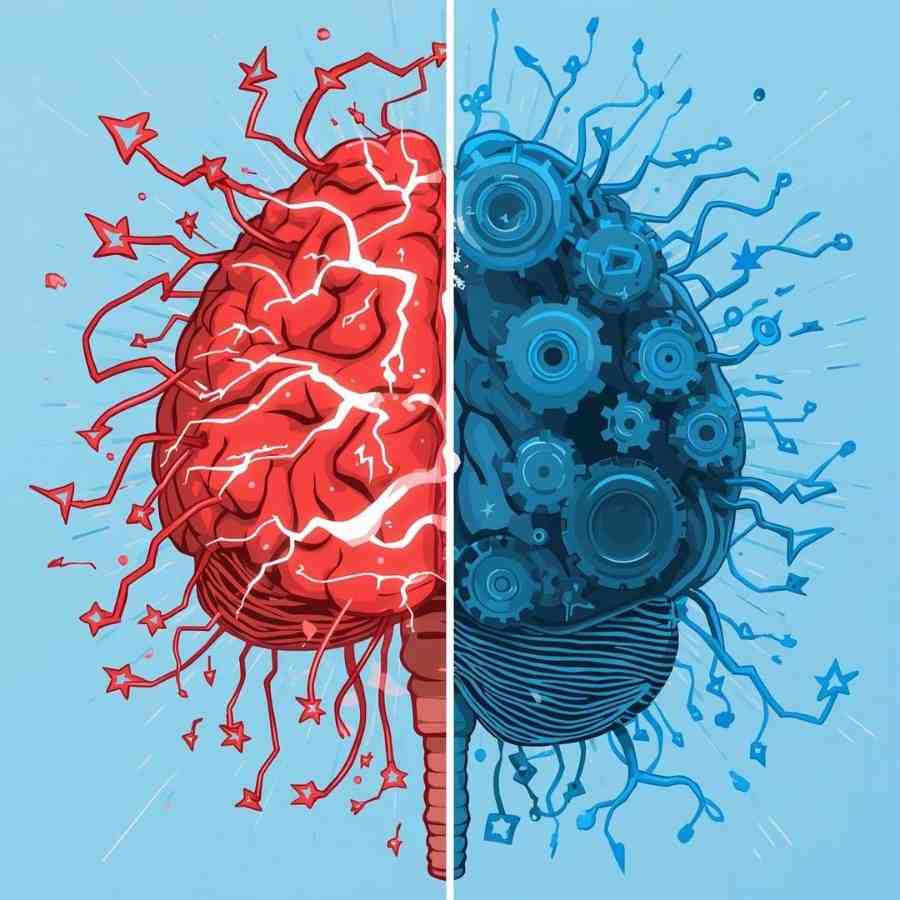
Before fixing the problem, let’s understand it. When you are worried about exams, your brain triggers a “Fight or Flight” response. It releases a hormone called Cortisol.
Low Cortisol: You feel bored and lazy.
High Cortisol: Your brain freezes (Blank out).
Optimal Cortisol: This is the “Zone” where you are focused and alert.
Our goal is not to eliminate stress, but to control it.
The “Pomodoro” Technique for Focus
Studying for 5 hours straight is the worst thing you can do for your brain. The human brain’s attention span drops significantly after 45 minutes.
The Solution: Use the Pomodoro Technique:
Study for 25 Minutes (Intense Focus).
Take a 5 Minute Break (Walk, stretch, drink water).
Repeat this 4 times.
Take a longer break (20-30 mins).
Why it works: Short bursts of study prevent mental fatigue. It keeps your brain fresh and reduces the feeling of “syllabus burden.”
Sleep is Not a Waste of Time
Many students pull “All-Nighters” (studying whole night) before the exam. Science says this is a disaster.
The Science of Memory Consolidation: When you study, information is stored in your short-term memory. It is only during deep sleep that this information moves to “Long-Term Memory.”
Minimum Sleep: 7 to 8 Hours.
Tip: If you sleep less than 6 hours, your logical reasoning ability drops by 30%.
When you panic, your breathing becomes shallow, reducing oxygen to the brain. This causes dizziness and confusion.
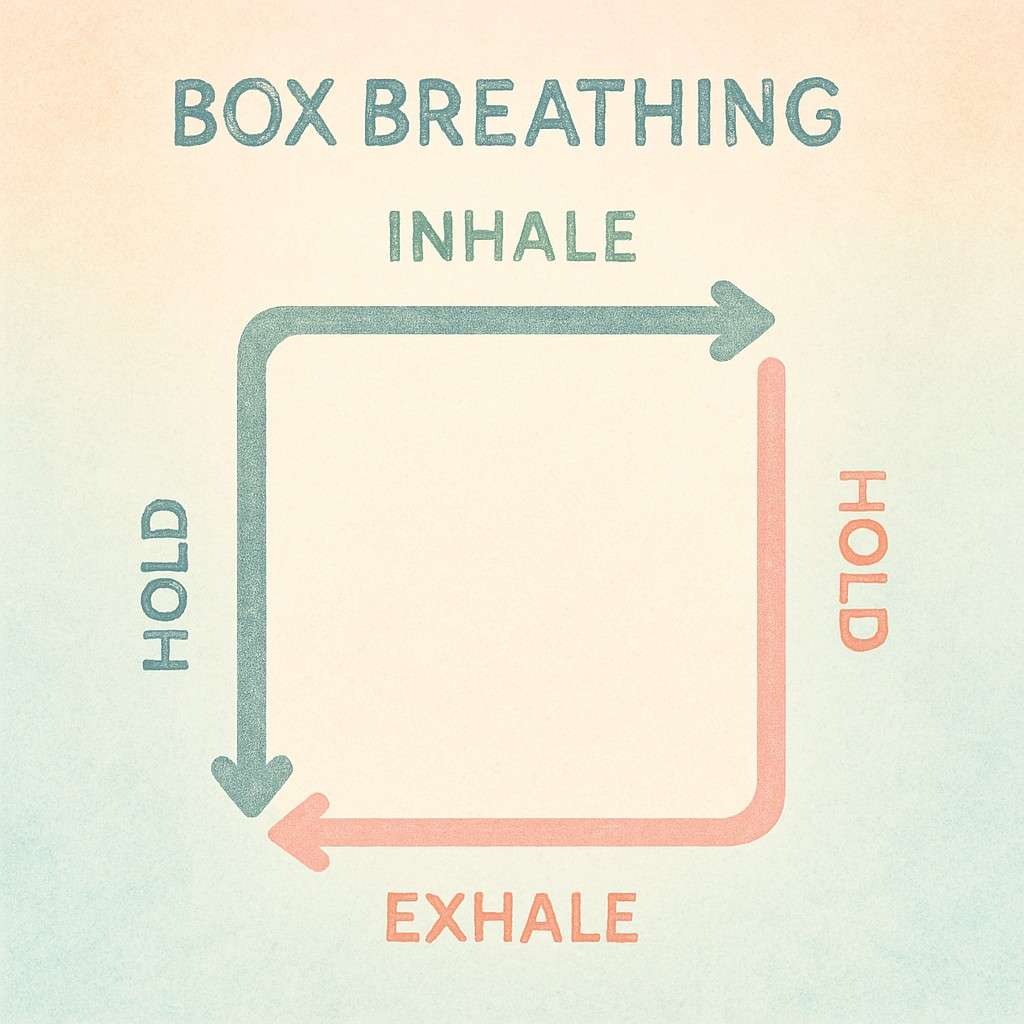
The Solution (Used by Navy SEALs): Try Box Breathing anytime you feel anxious:
Inhale slowly for 4 seconds.
Hold your breath for 4 seconds.
Exhale slowly for 4 seconds.
Hold empty breath for 4 seconds.
Do this 5 times. It physically forces your nervous system to calm down immediately.
Box Breathing Technique for Anxiety Relief
Brain Food & Hydration
Your brain consumes 20% of your body’s energy. If you feed it junk, it will perform like a junk engine.
Avoid: High sugar (chocolates/soda). They give a sudden energy spike followed by a “Sugar Crash” (feeling sleepy).
Eat: Almonds, Walnuts, Bananas, and Dark Chocolate (in moderation).
Hydration: Dehydration causes headaches and poor concentration. Keep a water bottle on your desk and sip every 30 minutes.
Visualizing Success (Sports Psychology)
Top athletes use visualization before a match. You should use it too.
How to do it? Close your eyes for 2 minutes before studying. Imagine yourself:
Walking into the exam hall confidently.
Reading the question paper and knowing the answers.
Feeling happy after the exam.
Why it works: Your brain cannot distinguish between a “vivid imagination” and “reality.” Visualizing success builds neural pathways that boost confidence.
What to Do DURING the Exam?
All your preparation comes down to those 2-3 hours.
The 1-Minute Rule: When you get the paper, close your eyes for 1 minute. Take deep breaths. Tell yourself, “I have prepared well.”
Skip the Tough Ones: If Question 1 is hard, skip it immediately. Getting stuck creates panic. Solve the easy questions first to build momentum.
Posture: Sit straight. Slouching signals your brain that you are tired.
If your anxiety is causing physical symptoms like constant vomiting, fainting, or panic attacks, please talk to a counselor or psychologist. There is no shame in asking for help. Your mental health is more important than any exam.
Conclusion
Exams are just a part of life, not life itself. A piece of paper cannot decide your future. The most successful people in the world have failed in exams but succeeded in life. Prepare hard, use these scientific techniques, and give your best shot.
Stay calm, stay focused, and keep visiting DlyJobs for more student tips.
FAQs
Q1: Is coffee good for studying?
Coffee (Caffeine) helps in alertness but in moderation. Drinking too much coffee (more than 2 cups) can increase heart rate and anxiety. Avoid coffee after 6 PM to save your sleep.
Q2: How do I stop overthinking before exams?
Write down your worries. When you write them on paper, your brain feels “relieved” that the problem is noted down, and it stops looping the same thought.
Q3: Can music help in studying?
Yes, but only Instrumental or Lo-Fi music. Songs with lyrics are distracting because your brain tries to process the words while reading.
About Author
Nasir
Expert content creator dedicated to providing authentic educational and career updates.