
Facing an interview is one of the most nerve-wracking experiences for any student or job seeker. Whether you are appearing for a Government Job Viva-Voce (like in UPSC, SSC, Banking) or a Private Company Interview, the pressure is real.
You have cleared the written exam, you have the knowledge, but can you express it confidently?
Statistics show that 67% of candidates are rejected not because they lack knowledge, but because of poor communication skills and body language during the interview. The interviewer is not just checking what you know; they are checking who you are.
In this comprehensive guide by DlyJobs, we will break down the entire interview process. We will cover the Top 20 Common Interview Questions, the best answers for freshers, and psychological tricks to impress the panel.
Part 1: The Preparation Phase Before You Enter the Room
Most candidates make the mistake of preparing only for the “Questions.” However, 50% of your selection depends on what you do before the interview starts.
1. Research the Organization
Never walk into an interview room without knowing about the organization.
For Govt Jobs: Know the department’s function. If it’s a Bank interview, know the current Repo Rate and the Bank’s history. If it’s a Police interview, know about recent laws.
For Private Jobs: Visit their website. Know their products, their CEO, and their recent achievements.
Why it matters: It shows you are serious and have done your homework.
2. Analyze the Job Description (JD)
Read the job notification carefully. What skills are they asking for?
If they want “Teamwork,” prepare a story where you worked in a team.
If they want “Leadership,” mention your role as a Class Representative or Sports Captain.
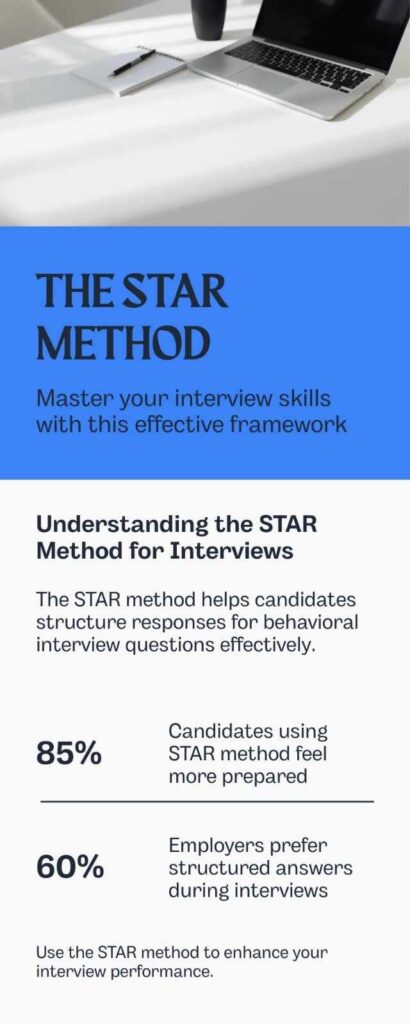
3. The “STAR” Method (Secret Weapon)
When answering behavioral questions (like “Tell me about a challenge you faced”), use the STAR technique to keep your answer structured:
S (Situation): Describe the context.
T (Task): What was your goal?
A (Action): What specific steps did you take?
R (Result): What was the positive outcome?
Part 2: Top 10 Common Interview Questions & Best Answers
Here are the most frequently asked questions in 2026 interviews, along with expert tips on how to answer them.
Q1. Tell me about yourself.
This is almost always the first question. It sets the tone for the entire interview.
The Mistake: Don’t narrate your whole life story or family background.
The Best Answer Formula: Present + Past + Future.
Start with who you are now (Education).
Mention past achievements (Internships/Projects).
End with why you are here (Future Goal).
Sample Answer: “My name is Nasir. I recently completed my graduation in Computer Applications from Kashmir University. During my studies, I developed a strong interest in Web Development and built two live projects. I am a quick learner and I am looking for a challenging role where I can utilize my skills to contribute to this organization.”
Q2. What are your strengths?
Tip: Don’t just list adjectives. Provide proof.
Sample Answer: “My biggest strength is my adaptability. For example, during my final year project, one of our team members fell sick, so I learned his part of the coding in 2 days and ensured we submitted the project on time.”
Q3. What are your weaknesses?
The Trap: Never say “I have no weakness” (that’s arrogant) or “I am lazy” (that’s a rejection).
The Trick: Mention a weakness that is not critical to the job and show how you are fixing it.
Sample Answer: “I sometimes struggle with saying ‘No’ to people, which leads to overworking. However, I have started using a To-Do list to prioritize my tasks and manage my time better.”
Q4. Why do you want this job?
Govt Job Answer: “I want to serve the nation and work in a sector that impacts the common man. This job offers the stability and platform where I can use my skills for public welfare.”
Private Job Answer: “I have followed your company’s growth in the tech sector. Your focus on innovation aligns with my career goals, and I want to be a part of this dynamic team.”
Q5. Where do you see yourself in 5 years?
Intent: They want to check your stability. Are you going to leave in 6 months?
Sample Answer: “In 5 years, I see myself growing within this organization, taking on more responsibilities, and hopefully leading a team where I can mentor freshers like myself.”
Q6. Why should we hire you?
Tip: Sell your skills. Match your skills with their requirements.
Sample Answer: “Although I am a fresher, I bring a lot of energy and a willingness to learn. My skills in [Skill 1] and [Skill 2] match the job requirements perfectly. If hired, I assure you that I will work with full dedication.”
Q7. Can you work under pressure?
Sample Answer: “Yes, sir/ma’am. During my exams, I managed to study for multiple subjects while organizing the college annual fest. I believe pressure helps me stay focused and prioritize tasks effectively.”
Q8. What is your salary expectation?
For Govt Jobs: The salary is fixed as per the pay commission.
Answer: “As per the government norms.”
For Private Jobs (Fresher):
Answer: “As a fresher, my priority is learning and gaining experience. I am open to the standard package offered by the company for this role.”
Q9. Are you willing to relocate?
Honesty is key. If you cannot move, say so politely. If you can, say “Yes.”
Sample Answer: “Yes, I am willing to relocate. I believe moving to a new place helps in personal growth and gives exposure to new cultures.”
Q10. Do you have any questions for us?
Never say No. It shows a lack of interest.
Sample Answer: “Yes, I would like to know what a typical working day looks like for someone in this role?” or “What are the training programs available for new joiners?”
Part 3: Situational & Behavioral Questions (Advanced)
Sometimes, interviewers ask “Tricky Questions” to check your logical thinking.
Q11. If you disagree with your boss, what will you do?
Answer: “I would first try to understand their perspective. If I still feel my point is valid for the company’s benefit, I would discuss it with them politely in private with data/facts. Ultimately, I will respect the final decision of the senior.”
Q12. Describe a time you failed.
Answer: Talk about a genuine small failure (like failing a test or a project delay), accept the mistake, and explain what you learned from it.
Part 4: Body Language – The Silent Conversation
Your words account for only 7% of communication. 55% is your body language!
Eye Contact: Maintain eye contact with all panel members, not just the one who asked the question. It shows confidence.
The Handshake: If offered, give a firm handshake. Not too tight, not too loose.
Posture: Sit straight. Do not slouch or lean back too much. Keep your hands on your lap or on the table (open gestures).
Smile: A genuine smile hides nervousness and makes you look like a pleasant person to work with.
Attire (Dress Code):
Men: Light colored shirt, dark trousers, formal shoes, clean shave (or trimmed beard).
Women: Indian formal (Saree/Suit) or Western formal. Minimal jewelry and makeup.

Part 5: Common Mistakes to Avoid
Arriving Late: This is an automatic rejection. Reach the venue 30 minutes early.
Badmouthing Previous Teachers/Bosses: Never speak negatively about your college or past employers.
Fidgeting: Don’t play with your pen, touch your hair, or shake your legs. It shows anxiety.
Checking Your Phone: Keep your phone switched off (not even on vibration) before entering the building.
Part 6: Post-Interview Etiquette
The interview doesn’t end when you walk out of the door.
The Thank You Note: Within 24 hours, send a professional email thanking the HR/Panel for their time.
Subject: Thank You – [Your Name] – [Job Title]
Body: “Thank you for the opportunity… It was great learning about the role… I look forward to hearing from you.”
Conclusion
Cracking an interview is a skill that can be learned. It requires a mix of good preparation, confident body language, and the ability to sell your skills. Remember, the interviewer wants to hire you. They are looking for reasons to say “Yes.” Give them those reasons by being prepared, honest, and positive.
Keep practicing in front of a mirror or with friends. Good luck!
For more career tips and latest job updates, keep visiting DlyJobs.com.
FAQs
Q1. What should I take to the interview? Carry a hard copy of your resume, 2 passport-sized photos, original ID proof (Aadhar/PAN), and a pen. Keep your educational certificates in a folder just in case.
Q2. How to handle nervousness? Take deep breaths before entering the room. Drink some water. Remember that the interviewers are human beings too.
Q3. Is English mandatory for all interviews? For most private jobs, yes. For state government jobs, the regional language is often acceptable. However, introduce yourself in English if possible; it creates a good impression.
Q4. What if I don’t know the answer? Do not bluff or guess. Simply say, “I am sorry, I do not know the exact answer to this, but I will surely read about it later.” Honesty is appreciated more than wrong answers.

Nasir
Expert content creator dedicated to providing authentic educational and career updates.